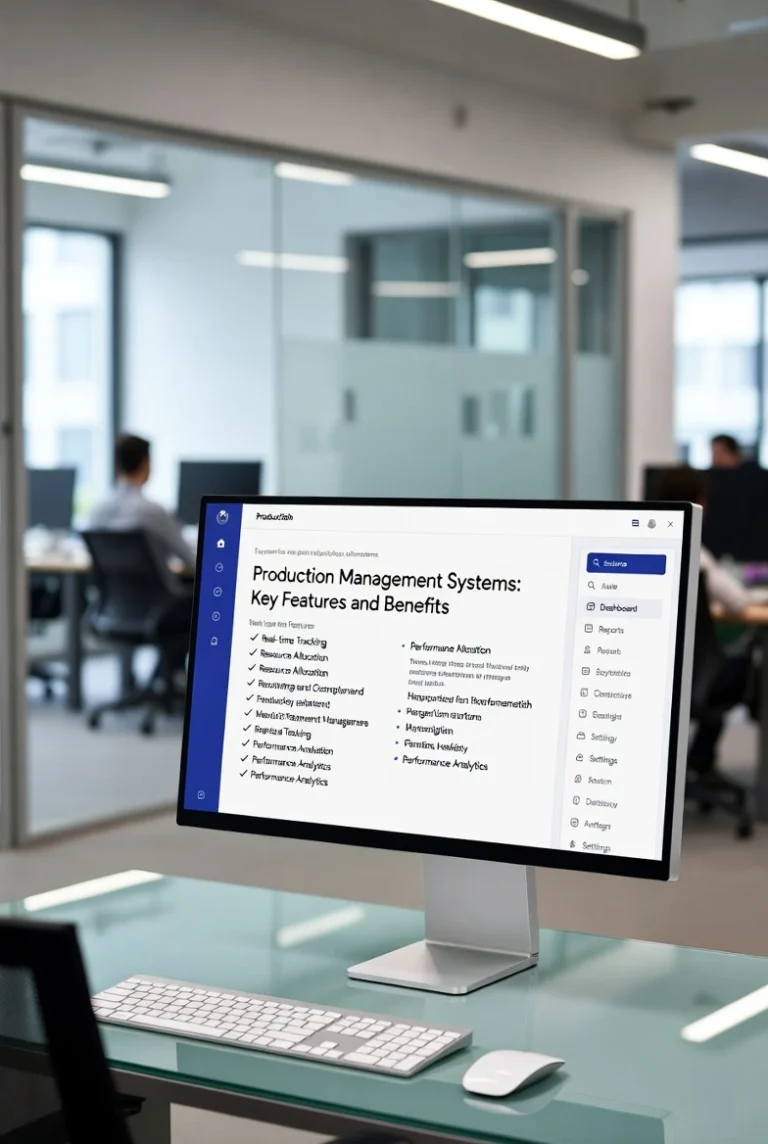

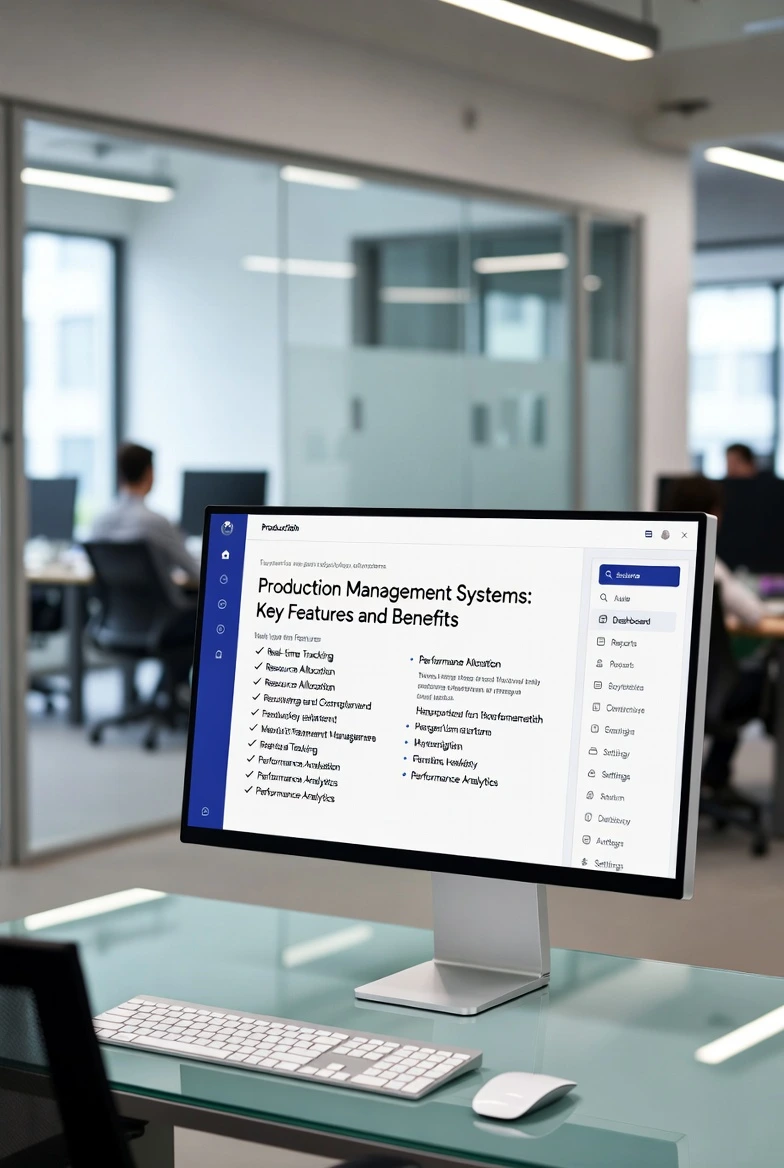
Production Management Systems: Key Features and Benefits
Modern industries require strong control over production processes. Companies must manage resources monitor performance and maintain product quality while meeting customer demand. A production management system helps organizations coordinate these activities through digital tools and structured workflows.
Production environments involve many connected tasks. Raw materials move through several stages before becoming finished products. Without proper monitoring these processes can become inefficient and costly. A well designed production management system allows organizations to plan monitor and improve each stage of manufacturing operations.
Technology driven management solutions help businesses track performance manage inventory and optimize production schedules. When companies implement a reliable system they gain better visibility into operations and achieve greater efficiency across departments.
1. Understanding Production Management Systems
Definition and purpose
A production management system is a digital platform that helps organizations control and monitor manufacturing activities. It connects planning scheduling resource allocation and performance monitoring within a single environment.
Manufacturers use these systems to track production progress ensure quality standards and maintain consistent workflow. By integrating information from multiple departments the system supports efficient manufacturing operations and improves operational decision making.
Importance in modern manufacturing
Manufacturing industries face increasing competition and demand for faster production cycles. Companies must improve efficiency while maintaining product quality. A production management system helps organizations achieve these goals by providing clear insight into production activities.
The system allows managers to analyze performance identify bottlenecks and optimize workflow. These improvements lead to stronger operational control and increased productivity across the organization.
2. Core Features of Production Management Systems
Production planning and scheduling
Effective planning is essential for successful manufacturing operations. Production management systems provide tools that allow managers to plan tasks allocate resources and schedule production cycles efficiently.
Scheduling features ensure that machines labor and materials are used properly. When schedules are optimized production delays decrease and overall efficiency improves.
Inventory and resource management
Inventory management is a key component of any production management system. The system monitors raw materials work in progress items and finished goods.
Real time inventory tracking prevents shortages and overstock situations. Efficient resource management helps organizations maintain smooth production flow and reduce operational waste.
3. Process Monitoring and Quality Control
Real time production monitoring
Production management systems allow managers to monitor manufacturing activities in real time. Data collected from machines and production lines helps track progress and identify issues immediately.
Real time monitoring improves decision making and prevents costly delays. Managers can respond quickly to unexpected problems and maintain consistent workflow throughout the production cycle.
Quality management features
Quality control is essential in manufacturing industries. Production management systems provide tools to monitor product quality during every stage of production.
These systems track inspection results maintain quality records and support compliance with industry standards. Continuous monitoring helps organizations maintain product reliability and customer satisfaction.4. Benefits of Implementing Production Management Systems
Improved operational efficiency
One of the most significant advantages of a production management system is improved operational efficiency. By automating tasks and organizing workflow the system reduces manual effort and increases productivity.
Managers gain clear visibility into manufacturing operations. This transparency allows them to identify inefficiencies and improve process performance across the entire production environment.
Better decision making
Data driven insights allow managers to make better operational decisions. Production management systems collect information related to performance resource usage and production output.
Managers can analyze this data to forecast demand optimize scheduling and allocate resources effectively. Data based decisions improve production outcomes and strengthen business performance.
5. Future of Production Management Systems
Integration with smart manufacturing
Modern manufacturing is moving toward smart production environments. Production management systems are evolving to integrate with automation technologies sensors and intelligent devices.
These integrations enable real time communication between machines and management platforms. Smart manufacturing improves production accuracy efficiency and operational transparency.
Role of data analytics and automation
Data analytics plays a growing role in production management systems. Advanced analytics tools help organizations evaluate production performance and predict potential issues.
Automation combined with analytics allows businesses to optimize workflow reduce downtime and improve manufacturing output. As technology continues to evolve production management systems will become even more intelligent and efficient.