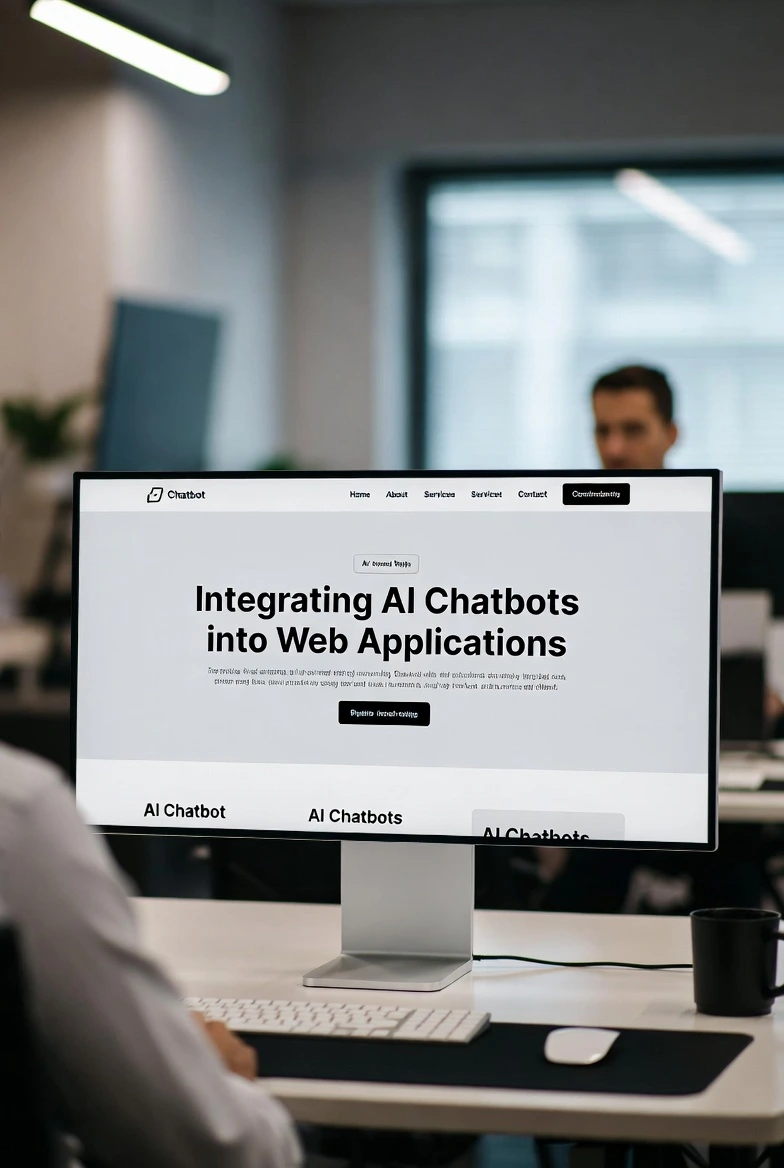
Integrating AI Chatbots into Web Applications
Artificial intelligence is transforming the modern web. Businesses want faster support stronger engagement and smarter automation. AI chatbots help organizations achieve these goals by providing real time responses and intelligent interaction within digital platforms. When developers integrate AI chatbots into web applications they create systems that guide users answer questions and perform tasks without delay.
Web applications today must support constant interaction. Visitors expect quick responses and clear assistance. AI chatbot solutions enable organizations to meet these expectations while reducing manual workload. From customer service to product guidance chatbot technology improves operational efficiency and strengthens user satisfaction.
Developers must approach chatbot integration with proper architecture planning and continuous optimization. A well integrated AI chatbot improves user experience and helps businesses scale their online services effectively.1. Understanding AI Chatbots
What an AI chatbot does
An AI chatbot is a software application that simulates conversation with users through artificial intelligence and natural language processing. These systems analyze text input understand intent and provide useful responses. Within web applications chatbots help visitors navigate pages discover services and receive assistance instantly.
The value of an AI chatbot lies in its ability to operate continuously. Businesses can provide guidance and support at any hour without human intervention. This constant availability improves user experience and strengthens digital engagement.
Why businesses adopt chatbot technology
Organizations adopt chatbot technology to automate communication and simplify support operations. Chatbots answer common questions guide users through processes and collect important data.
Businesses benefit from faster responses improved service efficiency and reduced operational costs. AI chatbot systems also support scalability because they can manage thousands of conversations simultaneously.
2. Planning Chatbot Integration
Defining chatbot objectives
Successful chatbot integration begins with clear objectives. Developers must identify what the chatbot should accomplish within the web application. Some chatbots focus on customer support while others assist with product discovery or appointment scheduling.
Clear objectives help developers design conversation flows that solve real problems. This planning stage ensures that chatbot functionality supports both user needs and business goals.
Choosing the right technology stack
Selecting the proper technology stack is critical for effective chatbot integration. Developers may use artificial intelligence frameworks machine learning platforms and natural language processing services to build intelligent systems.
The backend infrastructure must support data exchange between the chatbot and the web application. APIs databases and cloud services allow the chatbot to retrieve information and perform actions efficiently.
3. Building Chatbot Architecture Implementing natural language processing
Natural language processing enables chatbots to understand human language. This technology analyzes words structure and intent within user messages. Accurate language interpretation allows AI chatbot systems to provide meaningful responses.
Developers train chatbots using conversation datasets that represent real user interactions. Training improves response accuracy and strengthens the intelligence of the chatbot over time.
Backend integration with applications
Backend integration connects the chatbot with application data. Through APIs the chatbot can access user accounts retrieve information and perform tasks such as booking services or tracking orders.
A strong architecture ensures smooth communication between the chatbot interface and backend systems. Reliable integration improves performance security and scalability of the overall web application.
4. Improving User Experience with Chatbots
Personalized communication
AI chatbots can analyze user behavior and provide personalized responses. By examining browsing patterns or previous interactions the chatbot can recommend products services or helpful content.
Personalized interaction improves user experience and increases engagement. Visitors receive relevant information quickly which helps them complete their tasks more efficiently.
Instant customer assistance
One of the greatest benefits of chatbot technology is instant assistance. Users receive immediate answers without waiting for support staff.
Chatbots manage routine questions and provide guidance through automated responses. This automation allows support teams to focus on complex issues while the chatbot handles repetitive tasks.
5. Monitoring and Optimizing Chatbot Performance
Measuring chatbot effectiveness
After deployment developers must monitor chatbot performance carefully. Metrics such as response accuracy user satisfaction and conversation completion rates help evaluate success.
Performance analysis helps identify weak areas where the chatbot fails to understand user requests. Developers can refine conversation logic and improve system responses.
Continuous training and improvement
AI systems require ongoing learning. Developers should update chatbot training datasets and refine algorithms regularly. Continuous improvement ensures that the chatbot remains accurate and helpful.
Updating the chatbot with new knowledge and business information allows it to support additional services. Over time the system becomes more intelligent and valuable to both users and organizations.